
Bankability Assessment for Electrolyser Projects
Turning Technology Ambition into Investment Confidence
Green Hydrogen at Scale:
Ambition Meets Reality
Green hydrogen is widely recognized as a cornerstone of the energy transition. It offers a pathway to decarbonize existing hydrogen uses in refining, chemicals, and fertilizer production, while enabling low carbon solutions for hard to abate sectors such as steel, maritime transport, and aviation.
Achieving these ambitions, however, requires hydrogen production at an unprecedented scale—often hundreds of megawatts or even gigawatts—based on electrolysis technologies powered by renewable electricity. While alkaline and PEM (Proton Exchange Membrane) electrolysis are established technologies, there is still very limited operating track record at such large industrial scales, and in some cases none at all.
At the same time, the electrolyser supplier landscape is evolving rapidly. New players are emerging, others are consolidating or disappearing, and industrial maturity varies significantly across manufacturers and geographies. For project developers and investors, this creates a fundamental challenge: how to objectively assess technology readiness, supplier capability, and long term performance in a fast moving, non standardized market.
As project sizes and capital commitments grow into the multi billion euro range, the consequences of underestimating these risks become increasingly material. In this context, structured and evidence based assessment is becoming a prerequisite for informed investment decisions.
Building Trust in a Young Market
The rapid growth of the hydrogen sector highlights a broader challenge: the need to establish trust in a market where standards, benchmarks, and operational feedback are still emerging.
Performance metrics, degradation rates, and long‑term reliability are not yet consistently defined or measured across the industry. As a result, comparing technologies and suppliers can be complex, and decision-making relies on heterogeneous data sets of varying depth and quality.
Addressing this gap requires approaches that go beyond theoretical performance and documentation. Increasingly, stakeholders are focusing on industrial execution capability, scalability, and verifiable performance evidence over time.
In this context, independent verification and data validation are playing a growing role—not as a substitute for innovation, but as an enabler of confidence. They contribute to a more transparent environment where assumptions can be challenged, and risks more clearly understood.
From Project Finance to Public Funding:
A Changing Landscape
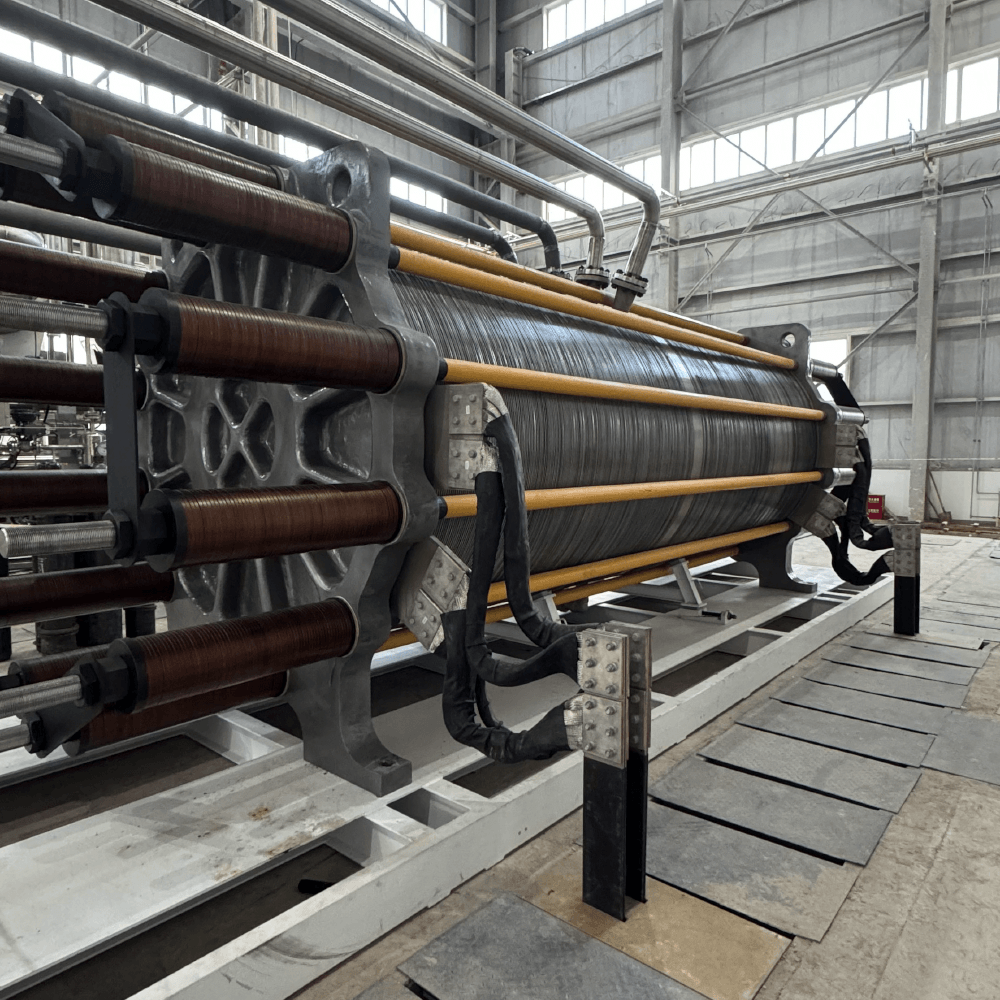 As hydrogen projects progress from concept to financing, expectations are evolving. Lenders and public funding bodies are applying increasingly rigorous scrutiny to technical assumptions, supplier capabilities, and long‑term performance projections.
This shift is particularly visible in project finance. With limited large‑scale references available, financial institutions are placing greater emphasis on structured technical assessments to validate performance claims, manufacturing readiness, and operational robustness.
Public funding frameworks are following a similar trajectory. In Europe, programmes such as the Innovation Fund and the European Hydrogen Bank are requiring projects to demonstrate not only technical maturity, but also feasibility, scalability, and readiness to progress within defined timelines. Comparable expectations are emerging in other regions, including Japan.
Across both financing and funding contexts, a common question is taking shape:
Can the selected technology and supply chain reliably deliver at scale over the lifetime of the project?
It is often difficult to answer this question upfront. Data may be fragmented, transparency varies across vendors, and standardized benchmarks remain limited. This uncertainty is becoming a central consideration in project development and financing strategies.
Understanding Bankability Assessment in Practice
In this evolving context, bankability assessment is emerging as a structured way to address uncertainty and support more informed decision-making.
Rather than being reduced to a checklist or a one‑off review, it can be understood as a progressive process that examines the key technical and industrial risk factors shaping project viability.
This typically includes:
- Assessing the maturity and scalability of technology options
- Reviewing the consistency and robustness of technical documentation
- Examining manufacturing capability and quality systems
- Evaluating operational experience and maintenance practices
- Validating performance assumptions through available evidence and, where relevant, testing
A key aspect of this approach is the combination of documentation analysis with on‑site observations and operational feedback, allowing a shift from theoretical expectations to more grounded assessments.
The outcome is not only a clearer identification of risks, but also a more structured understanding of their potential impact and how they may be mitigated within the project framework.
From Risk Identification to Strategic Insight
The value of such assessments lies not only in identifying risks, but in structuring them in a way that supports alignment among stakeholders.
By translating technical uncertainties into explicit assumptions and documented evidence, they provide a common basis for discussion between developers, lenders, investors, and public authorities. This can help reduce misalignment, clarify expectations, and facilitate more informed decision-making.
More broadly, the process contributes to strengthening project robustness by:
- Supporting technical assumptions during early design phases (e.g. FEED)
- Informing contractual discussions and risk allocation
- Facilitating due diligence and financing processes
In a context where access to capital and public funding is increasingly selective, credibility is becoming a key differentiator alongside ambition and scale.
Looking Ahead
As hydrogen projects continue to scale, bankability is emerging as a defining factor in bridging the gap between ambition and execution.
In a context where technologies evolve rapidly and reference points remain limited, the ability to bring clarity on performance assumptions, industrial readiness, and risk allocation is becoming increasingly critical, not only for securing funding, but also for shaping more robust and resilient projects overall.
Moving forward, a key question remains for the industry:
how can stakeholders collectively build the level of confidence required to accelerate deployment while maintaining technical and financial rigor?
Independent assessment is one element of this broader effort - alongside standardization initiatives, growing operational feedback, and stronger alignment across the value chain. As these building blocks evolve, so too does the opportunity to establish common practices that can support the large‑scale rollout of hydrogen projects worldwide.
👉 At Bureau Veritas, we are actively engaging with developers, investors, and industry players to explore these questions and share insights from across projects and markets.
If you are navigating similar challenges or shaping upcoming hydrogen developments, we welcome the opportunity to exchange perspectives and contribute to advancing more bankable, credible projects.